| Author: Ján Chovanec | Reading time: 3 minutes |
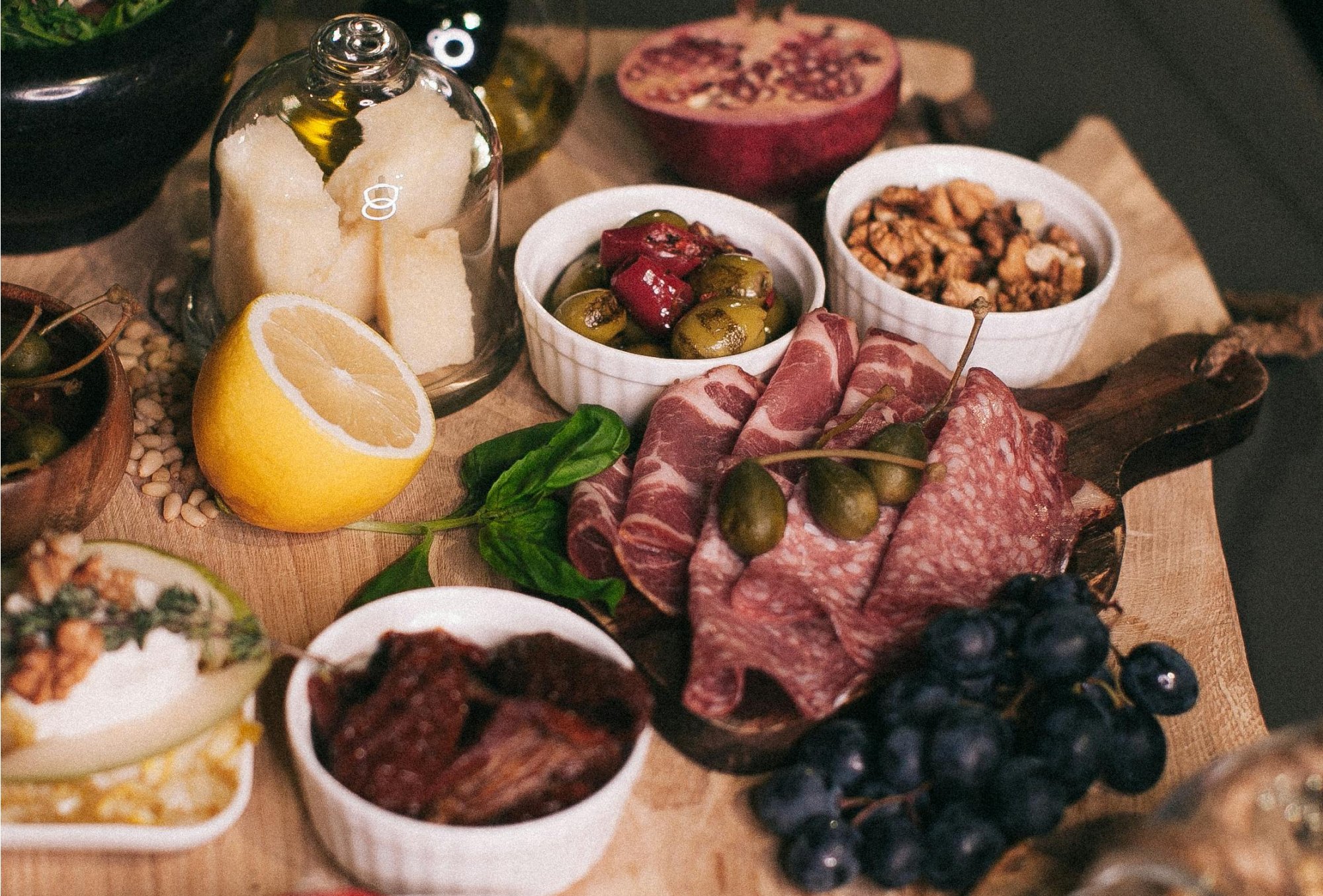
Vacuum packaging is a gentle way to preserve food with many benefits. The most important of which is significantly extending the shelf life of products without losing freshness and flavor.
In a vacuum, i.e. in an environment with minimal oxygen content, foods are protected from oxidation. They retain their original aroma and taste for longer, and there is no loss of color or nutritional value. Vacuum-packed products are in a hygienic environment, isolated from the external environment and odors from other foods. The growth of microorganisms, bacteria, or mold is also significantly limited, which slows down the degradation of foods. Depending on their type, shelf life can increase by up to three times.
Examples of shelf life extension
| Product/storage method | Normal conditions | Vacuum packed |
| Free storage (+ 20° / + 25° C) | ||
| Bread | 1 - 3 days | 6 - 8 days |
| Dry cookies | 120 - 180 days | 360 days |
| Dry pasta/rice | 180 days | 360 days |
| Flour | 120 days | 360 days |
| Refrigerated at + 3° / + 5° C | ||
| Raw meat | 2 - 3 days | 6 - 9 days |
| Fresh fish | 1 - 3 days | 4 - 6 days |
| Salami | 4 - 6 days | 20 - 25 days |
| Hard cheese | 15 - 20 days | 30 - 60 days |
| Fresh fruit | 5 - 10 days | 14 - 20 days |
| Boiled pasta | 2 - 3 days | 6 - 10 days |
| Boiled meat | 3 - 5 days | 10 - 15 days |
| Frozen at - 18° / - 20° C | ||
| Meat | 120 days | 480 days |
| Fish | 90 days | 360 days |
| Fruits and vegetables | 300 days | 720 days |
Source: magicvac.com
How does it work?
As already mentioned, the principle of vacuum packaging is to reduce the oxygen content in the package by sucking out the air. To do this, we need vacuum bags and a packager that sucks out the air using its pump. Vacuum bags have grooves or notches on at least one of their walls that serve this purpose; the air gets out of the package precisely through this.
There are also bags that have smooth walls, but these are designed for professional chamber packaging machines. A standard household packager has a strip with a suction pump, to which the unsealed side of the bag must be placed. After sucking out the air, the bag is hermetically sealed with a seal. The seal strip is also part of the vacuum packager.
| ℹ️ In addition to bags, our offer also includes vacuum packs, which can be purchased as a discounted starter set with bags. |
Bags or rolls?
The bags have a standardized size, for example 200 x 300 millimeters. Three sides are sealed, through the fourth you just need to insert the product you want to vacuum pack and start. It is convenient and thanks to the wide range of sizes, it is possible to satisfy practically everyone.
The rolls are packaged as two 6-meter pieces, only the width is fixed, the length is determined by the user. He cuts or cuts a piece as long as he needs, first seals one end and then the procedure is the same as for bags.
The advantage of rolls is a greater degree of versatility. The user chooses the length of the package he needs. However, to close them, he needs to make one more weld compared to bags, which are therefore more convenient.
| ℹ️ How to avoid mistakes when choosing bags? |
Is it safe?
All bags and rolls that you can find in our e-shop are made in the EU and are certified for contact with food. The minimum thickness guaranteed by the manufacturer is 90 µm, which is enough for the packaged food to easily handle being in the refrigerator, freezer and also cooking in Sous-Vide devices.
The temperature resistance up to 60°C is up to 4 hours and 70°C for 2 hours.
| 💡If you want to learn more about choosing vacuum bags and vacuuming accessories, or get useful tips on how to avoid mistakes when choosing them, read more in the article Most Common Vacuuming Mistakes. |
| 💡 If you would like to learn more about Sous-Vide cooking technology, read our article Sous-Vide Cooking. |